The Short Answer: Worth It. But With Caveats.
Fish oil might be the single most studied supplement for dogs. Omega 3 fatty acids (specifically EPA and DHA) have demonstrated benefits for joints, skin, coat, heart, brain, and kidney function in dogs. The evidence base is genuinely strong compared to most other pet supplements.
But "fish oil is good" is where most articles stop, and there's actually a lot more you need to know to use it effectively.
What Fish Oil Actually Does
EPA (eicosapentaenoic acid) and DHA (docosahexaenoic acid) are long chain omega 3 fatty acids that dogs cannot make in meaningful amounts on their own. They must come from the diet. Here's what they do, backed by published research:
Joint Health
EPA is a direct precursor to anti inflammatory compounds called resolvins and protectins. Multiple veterinary studies have shown that dogs with osteoarthritis improve on omega 3 supplementation. A clinical trial published in JAVMA found that dogs fed a diet enriched with omega 3s showed significant improvement in lameness, weight bearing, and overall mobility as assessed by both veterinarians and owners.
Skin and Coat
DHA and EPA are incorporated into cell membranes, including skin cells. Supplementation improves coat quality and can reduce itching associated with allergies. A study in Veterinary Dermatology found that omega 3 supplementation reduced pruritus scores in dogs with atopic dermatitis.
Cognitive Function
DHA is a structural component of brain cell membranes. In senior dogs, DHA supplementation has been associated with improved cognitive test performance. The Iams Pet Nutrition Center published research showing that senior dogs on a DHA enriched diet showed better learning ability and memory retention.
Heart Health
EPA and DHA have anti arrhythmic properties in dogs. Veterinary cardiologists sometimes recommend fish oil supplementation for dogs with certain heart conditions.
Kidney Support
For dogs with early chronic kidney disease, omega 3 supplementation may slow disease progression by reducing inflammation and improving blood flow to the kidneys. This is one of the few supplements with meaningful evidence for kidney support in dogs.
The Dosing Problem
Most people underdose fish oil for their dogs. The general therapeutic range, depending on the condition being addressed:
- General health maintenance: 20 to 30 mg EPA+DHA per pound of body weight per day
- Inflammatory conditions (arthritis, allergies): 40 to 70 mg EPA+DHA per pound per day
- Cardiac support: doses vary; follow your cardiologist's recommendation
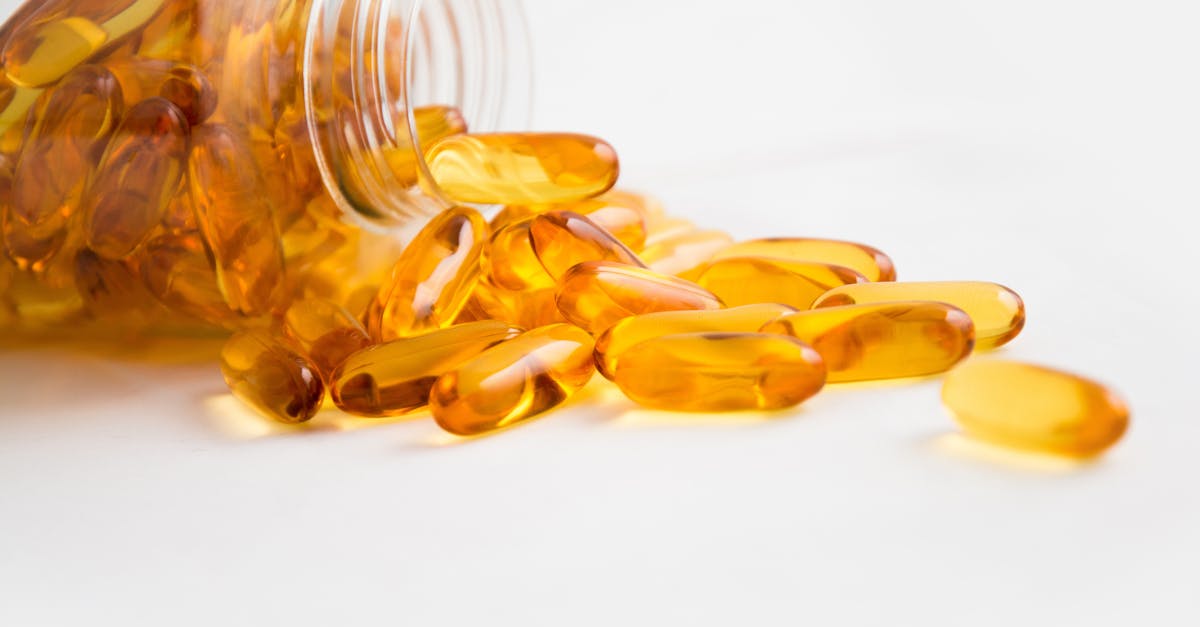
For a 60 lb dog on a maintenance dose, that's 1,200 to 1,800 mg of EPA+DHA daily. A standard fish oil capsule from the pharmacy contains about 300 mg of combined EPA+DHA (NOT 1,000 mg; that's the total fish oil, which includes other fats). So your 60 lb dog needs 4 to 6 regular capsules per day for a maintenance dose.
Concentrated fish oil formulas are available that provide 500 to 750 mg EPA+DHA per capsule, reducing the number needed. Dog specific pump products are often the most convenient way to deliver adequate doses.
What Kind of Fish Oil?
Not all fish oils are equal:
- Wild caught fish oil (salmon, sardine, anchovy, mackerel): The standard. Look for products from small fish (sardine, anchovy) as they accumulate less mercury.
- Krill oil: Contains phospholipid bound omega 3s, which some research suggests are more efficiently absorbed. Also contains astaxanthin, a potent antioxidant. More expensive per dose.
- Algal oil: DHA sourced from algae. A good option for dogs with fish allergies. Lower in EPA than fish oil.
- Cod liver oil: Contains omega 3s plus vitamins A and D. Use cautiously, as excessive vitamin A is toxic. Not recommended as a primary omega 3 source for dogs already eating a vitamin A adequate diet.
- Flaxseed oil: Contains ALA (a plant omega 3) but NOT EPA or DHA. Dogs convert ALA to EPA and DHA very poorly (less than 10% efficiency). Not a substitute for fish oil.
Quality and Freshness Matter
Fish oil is prone to oxidation (going rancid). Rancid fish oil not only loses its benefits but may actually be harmful, as oxidized fats can promote inflammation. Quality considerations:
- IFOS (International Fish Oil Standards) certification: Tests for purity, potency, and freshness. This is the gold standard for fish oil quality.
- Smell test: Fresh fish oil should have a mild, slightly fishy smell. If it smells strongly rancid or like old fish, discard it.
- Storage: Keep fish oil in the refrigerator after opening. Use within the recommended timeframe (usually 2 to 3 months after opening for liquid; check capsule expiration dates).
- Dark bottles: Liquid fish oil should come in dark glass or opaque bottles to protect from light degradation.
Potential Side Effects
Fish oil is generally very safe, but worth noting:
- GI upset: High doses can cause loose stools, especially when starting. Introduce gradually over a week.
- Fishy breath: Common and harmless. Welcome to the fish oil life.
- Increased bleeding time: At very high doses, EPA can inhibit platelet aggregation. Discuss with your vet if your dog has a bleeding disorder or upcoming surgery.
- Caloric content: Fish oil is fat, and fat has calories. A tablespoon of fish oil is about 120 calories. Account for this in your dog's daily intake.
- Vitamin E depletion: Long term high dose fish oil supplementation can deplete vitamin E. Some products include vitamin E; otherwise, consider adding a vitamin E supplement.
The Verdict
Fish oil is one of the few pet supplements where the evidence genuinely supports the claims. It's not overrated. But it is frequently underdosed, and quality varies enormously across products. If you're going to give your dog fish oil (and for most dogs, especially seniors, I think you should), invest in a quality product and give enough to actually reach therapeutic levels. A few squirts of a bargain fish oil probably isn't doing much. A properly dosed, high quality omega 3 supplement is one of the best investments you can make in your dog's health.
As always, discuss supplementation with your vet, especially if your dog has any health conditions or is on medications.
