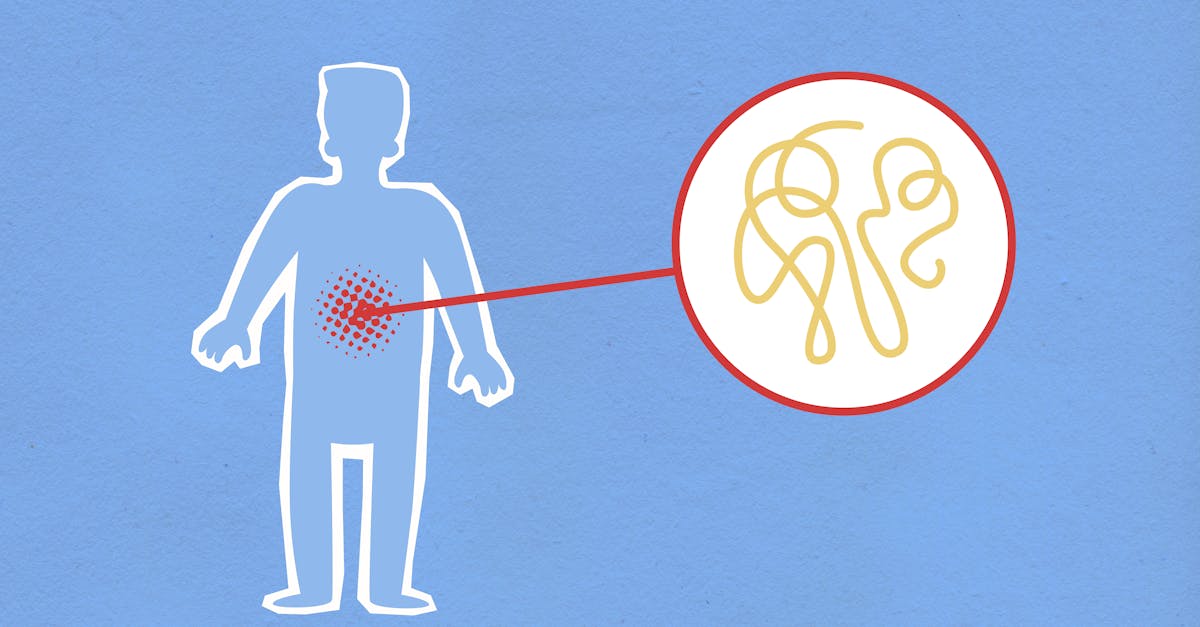
The Fire You Can't See
Acute inflammation is your dog's friend. When your dog gets a cut, the redness, swelling, and warmth that follow are the immune system doing exactly what it should: rushing resources to the injury, fighting off bacteria, and beginning repair. That type of inflammation is targeted, temporary, and essential for survival.
Chronic inflammation is a different thing entirely. It's a low grade, persistent, body wide inflammatory state that never fully resolves. Think of it as a fire that's been turned down to a simmer but never put out. Over months and years, this smoldering inflammation damages tissues, accelerates aging, and creates the conditions for nearly every major disease of aging to develop.
What Drives Chronic Inflammation in Dogs
Excess Body Fat
Fat tissue isn't inert storage. It's metabolically active, producing inflammatory cytokines (signaling proteins) including TNF alpha and IL 6. The more fat tissue a dog carries, the higher their baseline inflammatory level. This is one of the primary mechanisms by which obesity shortens lifespan.
Dental Disease
The bacteria from periodontal disease enter the bloodstream and trigger an inflammatory response throughout the body. A dog with chronic untreated dental disease has a systemic inflammatory burden that affects the heart, kidneys, liver, and joints.
Poor Gut Health
The intestinal barrier, when functioning properly, allows nutrients through while keeping bacteria and toxins out. When this barrier is compromised (from poor diet, stress, medications, or disease), bacterial products leak into the bloodstream, triggering body wide inflammation. This is sometimes called "leaky gut," and while the term is overused in popular health circles, the underlying science of intestinal permeability and systemic inflammation is well established.
Chronic Infections
Ongoing skin infections, ear infections, urinary tract infections, and tick borne diseases maintain the inflammatory response in a constant state of activation.
Age Itself
The phenomenon called "inflammaging" describes the observation that baseline inflammatory markers increase with age even in the absence of specific disease. This is partly driven by cellular senescence (damaged cells that stop dividing but don't die, instead pumping out inflammatory signals) and partly by the declining efficiency of the immune system's regulatory mechanisms.
What Chronic Inflammation Does Over Time
Joint Destruction
Inflammatory cytokines directly damage cartilage and promote the enzymes that break down joint tissue. Chronic inflammation is both a driver and an accelerator of osteoarthritis. This is why an overweight dog develops arthritis faster than a lean one, independent of the mechanical stress of extra weight.
Cancer Promotion
Chronic inflammation creates an environment that favors cancer development. Inflammatory signals promote cell proliferation, inhibit programmed cell death (apoptosis), stimulate blood vessel growth to feed tumors, and suppress immune surveillance that would normally catch and eliminate abnormal cells.
Organ Damage
Chronic inflammation contributes to progressive damage in the kidneys, liver, and heart. The heart experiences increased workload and direct tissue damage from inflammatory mediators. The kidneys face ongoing damage to their filtering units. The liver, which processes inflammatory mediators, can become overwhelmed.
Cognitive Decline
Neuroinflammation (inflammation within the brain) is increasingly recognized as a key contributor to cognitive decline and canine cognitive dysfunction. Inflammatory signals in the brain damage neurons and interfere with neurotransmitter function.
Accelerated Cellular Aging
Chronic inflammation increases oxidative stress, damages DNA, shortens telomeres, and reduces mitochondrial function. In essence, it makes cells age faster than they would otherwise. A dog living with chronic inflammation is biologically older than their calendar age would suggest.
How to Fight Chronic Inflammation
Maintain a Lean Body Weight
Reducing fat tissue reduces the primary source of inflammatory cytokines. This is the most powerful anti inflammatory intervention available.
Feed an Anti Inflammatory Diet
Omega 3 fatty acids (specifically EPA and DHA from fish oil) are potent anti inflammatory agents that work by competing with pro inflammatory omega 6 fatty acids for the same enzymatic pathways. Most commercial dog foods are relatively high in omega 6 and low in omega 3, making supplementation beneficial for many dogs.
Address Dental Disease
Professional cleaning plus home dental care eliminates a major chronic inflammatory source.
Support Gut Health
A quality diet, probiotics, and avoiding unnecessary antibiotics (which disrupt the gut microbiome) help maintain intestinal barrier integrity.
Support Cellular Repair
NAD+ dependent enzymes (sirtuins and PARPs) play direct roles in regulating inflammation and repairing DNA damage caused by inflammatory processes. Supporting NAD+ levels through NR supplementation (found in LongTails) helps ensure these repair mechanisms have the fuel they need. This is particularly relevant for aging dogs where both NAD+ levels and inflammatory burden are moving in the wrong directions simultaneously.
Appropriate Exercise
Regular moderate exercise has anti inflammatory effects. It reduces inflammatory cytokine levels and increases anti inflammatory cytokine production. The key word is "moderate." Excessive exercise or exercise that causes pain can actually increase inflammation.
Treat Active Infections Promptly
Don't let skin infections, ear infections, or other chronic infections smolder. Each one adds to the inflammatory burden.
Think Long Term
You won't see the effects of managing chronic inflammation in the short term. This is a long game. The lean, well fed, dentally healthy dog who gets regular exercise and cellular support at age five won't look dramatically different from an overweight, sedentary dog at age five. But at age ten, the difference will be stark. Chronic inflammation compounds like bad interest. Every month it persists, the damage accrues. And every month you keep it in check, you're buying your dog healthier time. Start the anti inflammatory strategy now, regardless of your dog's current age. The best time to fight a fire is before it spreads.


