First, Take a Breath
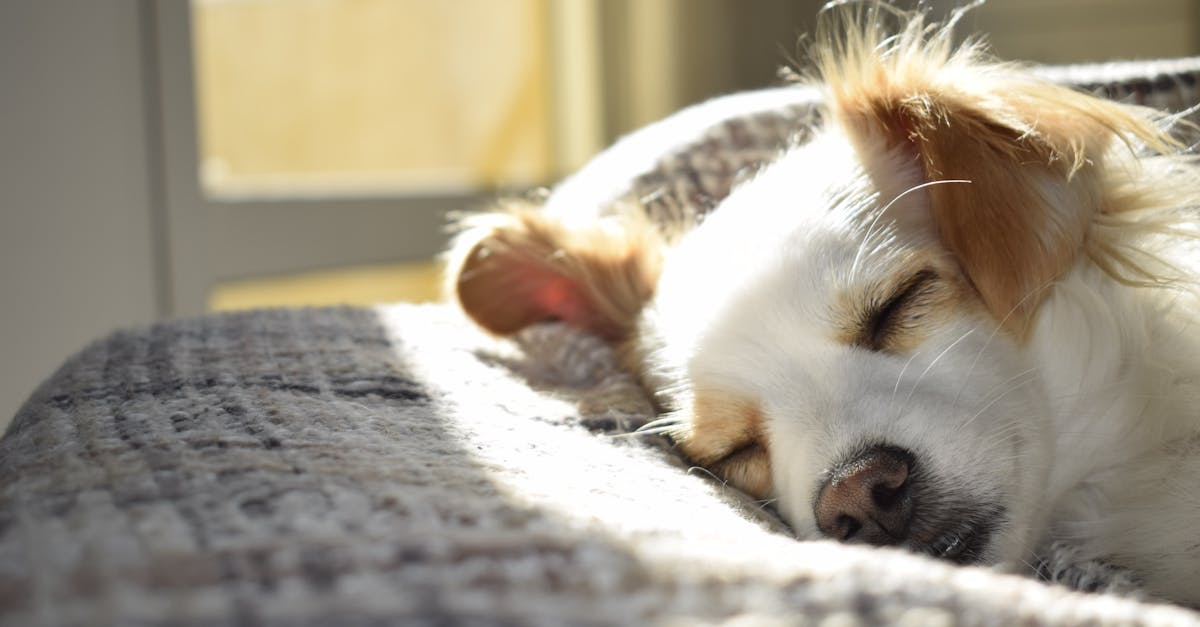
I remember the moment I realized Benny was sleeping through things that used to make him leap off the couch. The Amazon driver. The neighbor's cat doing her afternoon strut across our yard. A full bag of treats being opened three feet from his head. My first thought was the one you're probably having right now: is something wrong?
The short answer is: maybe, maybe not. Dogs sleep a lot more than we do, and how much they sleep shifts as they age. But there's a real difference between "my dog is a champion napper" and "my dog is sleeping because something hurts or isn't working right." Let's figure out which one you're dealing with.
How Much Sleep Is Actually Normal?
Adult dogs typically sleep 12 to 14 hours per day. Senior dogs (roughly age 7 and up, depending on breed) can push that to 16 or even 18 hours. Puppies sleep even more than seniors, if you can believe it. So if your dog is snoozing a lot, that alone isn't a red flag.
What matters more than total hours is the pattern. Ask yourself:
- Did the increase happen gradually over months, or did it seem to flip like a switch?
- When your dog is awake, are they engaged and responsive?
- Are they still interested in food, walks, and their favorite people?
- Can they get up and move around normally when they do wake?
A dog who sleeps 16 hours but bounces up happily for dinner is in a very different situation than a dog who sleeps 16 hours and seems groggy, disoriented, or reluctant to move during the other 8.
The "Sudden Switch" vs. the Slow Fade
If your dog went from normal energy to sleeping constantly within a few days, that warrants a vet visit sooner rather than later. Sudden lethargy can signal pain, infection, metabolic issues (like hypothyroidism or diabetes), or even something cardiac. Your vet will likely want to run blood work, and that's a reasonable first step.
The slow fade is trickier. When sleep increases gradually over weeks or months, it's easy to rationalize. "She's just getting older." "It's been hot." "He had a big weekend." And sometimes those explanations are exactly right. But gradual changes can also mask conditions like osteoarthritis, early organ dysfunction, or chronic inflammation that builds so slowly you don't notice until it's significant.
Pain Is the Sneakiest Reason
Here's something most dog parents don't realize: dogs in chronic pain often don't whimper or cry. They just... do less. They sleep more because moving hurts. They stop playing because jumping hurts. They seem "calm" because enthusiasm costs more than it used to.
A 2020 study in the Journal of Veterinary Internal Medicine found that chronic pain in dogs is significantly underdiagnosed, partly because owners interpret pain behaviors as normal aging. If your dog's increased sleep comes with any of these, pain could be a factor:
- Stiffness when first getting up
- Reluctance to jump on furniture or into the car
- Licking or chewing at specific joints
- Changes in posture or gait, even subtle ones
- Panting at rest, especially at night
The Thyroid Connection
Hypothyroidism is one of the most common hormonal conditions in dogs, and excessive sleeping is one of its hallmark signs. It's also one of the most treatable. A simple blood test can check thyroid levels, and if that's the culprit, medication usually has dogs feeling noticeably better within weeks.
Other signs that point toward thyroid issues: unexplained weight gain, a dull or thinning coat, and skin that seems to get infected easily. If you're seeing sleep changes plus any of those, mention it to your vet specifically.
What About Depression?
Yes, dogs can experience something similar to depression. Changes in the household (a move, a new baby, another pet passing away, a shift in your work schedule) can leave dogs withdrawn and sleepy. This usually resolves on its own with time, routine, and extra connection, but if it persists beyond a few weeks, it's worth discussing with your vet.
The Age Factor (and What You Can Do About It)
If your dog is north of 7 and the sleep increase has been gradual, with no other alarming symptoms, aging is the most likely explanation. Cellular energy production naturally declines as dogs get older. Their mitochondria (the power generators inside every cell) become less efficient, which means less available energy for everything from playing fetch to staying alert.
That doesn't mean you just accept it. There are real things you can do to support your aging dog's energy levels:
- Keep them moving. Shorter, more frequent walks often work better than one long one. Movement keeps joints lubricated and muscles from atrophying.
- Watch their weight. Extra pounds make everything harder, and overweight dogs sleep more because everything costs more energy.
- Feed for their age. Senior dogs often benefit from higher protein, moderate fat, and added joint support in their diet.
- Support cellular energy. This is where I got a bit obsessive with research. Supplements targeting mitochondrial function, like those containing Nicotinamide Riboside, can help support NAD+ levels that naturally decline with age. I started adding LongTails to Benny's food about six months ago, and while I can't prove causation, his afternoon naps got shorter and his interest in our evening walks came back. It contains NR along with beef liver and bone broth, so it wasn't a hard sell at mealtime.
- Mental stimulation matters. Puzzle feeders, training sessions (old dogs absolutely can learn new things), and novel experiences keep the brain engaged.
When to Call the Vet
Call your vet if you notice any of these alongside increased sleep:
- Loss of appetite lasting more than 24 hours
- Vomiting or diarrhea
- Difficulty breathing or excessive panting
- Sudden disorientation or confusion
- Inability or clear reluctance to stand
- Any sudden behavioral change that feels "off" to you
Trust your gut on that last one. You know your dog better than anyone, and "something just seems wrong" is a completely valid reason to make an appointment.
The Bottom Line
More sleep doesn't automatically mean something is wrong. But it also doesn't automatically mean "just aging." The truth is usually somewhere in between, and the only way to know for sure is to pay attention to the full picture and loop in your vet when things don't add up. Your dog can't tell you what's going on, but their behavior is constantly giving you information. The fact that you noticed the change and cared enough to look into it? That's exactly the kind of dog parent your pup is lucky to have.


